My skin looks tired. What can I do?
View 12 sources and references
Does your skin look tired? Here is an overview of you can do, from gentle care to skin boosters, wrinkle-relaxing injection, to fillers.
Maybe your skin has started to look tired, and you would like it to look fresher. Or perhaps you are happy with it today but wonder how best to care for it as you get older. Often the goal is simply to look naturally healthy: fresher skin in the mirror, while you still look like yourself. Where do you start?
This guide starts with simple daily steps that can help. Then it looks at treatments you may have heard about, what each is meant to help with, and the downsides to consider. You can decide how far you want to go.
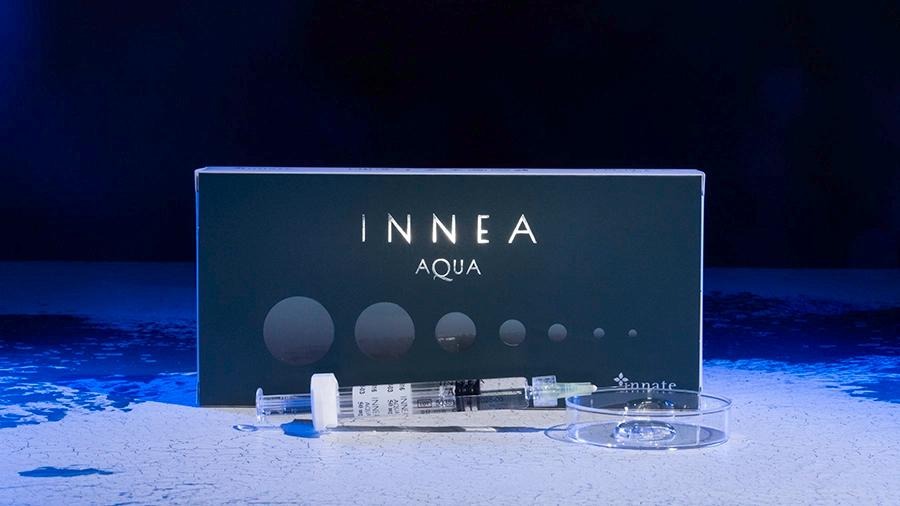
About this website: INNEA Aqua is an HA-based injectable for skin quality. Glo Pharma operates innea.com.sg and is its sole distributor in Singapore. This guide explains everyday care and several treatment options, with the individual choice assessed by your doctor.

Start with what you are seeing
“Tired-looking” can mean dry skin, uneven colour, fine lines or a loss of fullness. It may be more than one thing. Before buying another product, try to name the change that bothers you most. That will help you find an answer that fits.
If a change appears suddenly, hurts, or comes with a rash, see a doctor. Skin that looks tired is not always a beauty issue.
Give the simple things a fair chance
A gentle cleanser, moisturiser and sun protection are a good place to start. If you are chasing a glow, piling on strong scrubs, acids and other active products can work against you. Too much exfoliation can leave skin red, dry and irritated. The National Skin Centre explains that excessive use of cosmetics and facial treatments can cause irritation, especially in sensitive skin.
If your skin feels tight or stings after washing, ease back on non-prescribed exfoliating products. Give a simpler routine time to work. A rash, persistent burning or swelling needs a doctor's assessment before another facial or procedure.
In Singapore, even a lunch break outdoors can put you in strong midday sun. NEA's UV index helps you check how strong it is; levels are often highest from 11am to 3pm. Shade, a hat or an umbrella can help when you are outside, and HealthHub recommends a broad-spectrum, water-resistant sunscreen of at least SPF 30. Sun protection can help reduce early signs of ageing and dark patches. It is worth making part of your usual day.
If you are younger and like your skin as it is, this is a sensible way to care for it. Protecting it from the sun and avoiding products that irritate it can help keep it comfortable and healthy-looking as the years pass.
What if I want more help?
The next step depends on what you want to change. These are different tools for different jobs; none is a general fix for “tired skin”. A doctor can help you work out which, if any, makes sense for you. Downtime is worth thinking about in two ways: when you can return to normal activities, and how long redness, bumps or bruises might be visible. Our safety and downtime guide explains those first days and when to get help.
Dark patches or uneven colour: creams, peels and laser
If colour is your main concern, start by finding out whether you have sun spots, melasma or marks left after acne. That diagnosis guides the choice of cream, peel or laser. The National Skin Centre's peel guide describes uses for pigmentation, fine lines and superficial scars, as well as the risk of darker marks after treatment.
Expect redness and possible peeling after a peel, with more recovery after deeper treatment. Tell the doctor if your skin has darkened after previous procedures. Their choice of treatment and settings should account for your skin tone. Sun protection is part of the aftercare.
Dry or rough-looking skin: HA and PN skin boosters
If your skin still looks dry or dull after you have settled on a gentle routine, a doctor may discuss an HA skin booster. Hyaluronic acid (HA) holds water, and this type of injection aims to improve hydration and the look and feel of the skin. INNEA Aqua is an HA-based example, with trehalose, a sugar intended to protect and stabilise the HA. INNEA Aqua is registered with HSA in Singapore for ageing and photoageing changes such as roughness, reduced radiance and wrinkles. Hydration is one part of that wider skin-quality role.
If fine lines or rough texture bother you more, a doctor may discuss a polynucleotide (PN) treatment. PN treatments use purified DNA chains with the aim of supporting the skin's repair process and improving texture and fine lines. Our ingredient and brand comparison explains how the formulas differ and links to their sources.
With either route, you may need a series of visits. Small bumps, redness, swelling or bruises may show after injections. Your doctor can explain how your skin is likely to look over the next few days.
Persistent redness or irritation: treat the cause first
If your skin often flushes, stings or stays red, a doctor can assess whether rosacea, irritation or another condition is involved. In Singapore's heat, it helps to notice whether sun exposure, exercise or hot drinks bring on a flare. National Skin Centre guidance on HealthHub explains these triggers and treatments, including medicines and light or laser treatment for persistent redness.
If you also dislike roughness or fine lines, discuss that as a separate goal. INNEA Aqua's registered uses include those skin-quality changes. Treating the redness and improving the skin's texture can be different parts of your care.
Post-acne marks or scars: match treatment to what remains
A flat brown mark needs a different discussion from a dent in the skin. The Dermatological Society of Singapore's acne guideline distinguishes colour changes from true scars. It describes laser resurfacing and scar-specific procedures, including subcision to release tissue pulling a rolling scar down.
INNEA Aqua is also registered with HSA for dermal repair after superficial skin trauma, including acne and chickenpox scars. If this is your concern, ask the doctor to identify the scar type and explain where an injectable would fit alongside other options. Our INNEA Aqua evidence guide covers the research behind that discussion.
Loose or sagging skin: skin-quality treatment or lifting?
If your skin feels less springy, a doctor may discuss HA bioremodelling to improve skin quality across an area. It involves injections, so allow for marks, swelling or small bumps and possible repeat visits.
If your main concern is a dropping jawline or jowls, ask about lifting instead. Khoo Teck Puat Hospital's face and neck guide explains how loose skin, lost volume and tissue movement call for different treatments. More advanced sagging may need a different procedure. Our booster, filler and bioremodelling comparison helps you separate those goals.
Lines when you smile or frown: botulinum toxin
If you mainly notice lines when you smile or frown, a doctor may suggest a wrinkle-relaxing injection. It uses botulinum toxin to relax the muscles behind those lines. The ingredient and brand guide explains the names. You can explain that you want softer lines while keeping the expressions that feel like you. You can usually return to everyday activities soon after treatment, though an injection mark or bruise may be visible. The effect wears off, so you would need repeat treatment to keep it. Occasionally the toxin affects a nearby muscle, such as one that lifts an eyelid. The American Academy of Dermatology, a US professional association for skin doctors, explains common reactions and recovery. Your doctor will explain the risks of the product they use.
Lost facial fullness: dermal fillers
If your cheeks look hollower than they used to, the change may be lost fullness rather than skin dryness. A doctor may suggest a dermal filler to add volume to that area. HA filler formulas differ from those used in some skin-quality injections; the full product name helps identify the intended job. You may see a change soon after treatment, but swelling or bruising can affect how you look for several days, sometimes longer. Ask about visible recovery as well as when you can return to work. The American Academy of Dermatology's filler guide explains how fillers add fullness and what recovery can involve. A skilled, qualified injector matters because, rarely, filler can enter a blood vessel and harm skin or eyesight, as the US Food and Drug Administration explains.
Making sense of the options
It helps to read about the options before you see a doctor. You do not have to work out the answer yourself. A doctor can look at your skin, explain what may be behind the change and talk through what each option could do, how many visits it may take, what you might look like while you recover and the full cost. You can say that you want to look naturally healthy and still like yourself.
In Singapore, doctors should explain an aesthetic procedure in a way you can understand before you agree to it. The Singapore Medical Council's guidance supports taking time to ask questions and think about the answer.
There is no single right response to skin that looks tired. For some people, a gentler routine is enough. Others want help from a doctor or choose a treatment. You may also decide to do nothing for now. Understanding the choices gives you room to make that decision in your own time.
Sources and references
ReferenceGeneral information
ReferenceGeneral information
ReferenceGeneral information
ReferenceGeneral information
Regulatory recordINNEA Aqua
ReferenceGeneral information
ReferenceGeneral information
ReferenceGeneral information
ReferenceGeneral information
ReferenceGeneral information
ReferenceGeneral information
ReferenceGeneral information