Skin boosters, fillers and bioremodelling: what are they meant to change?
Understand how skin boosters, dermal fillers and bioremodelling differ, what each may help with, and the recovery to plan for in Singapore.
Are you wondering why your skin looks tired, and what might help it look fresher? Perhaps it looks rougher than before, a cheek seems less full, or lines have become more noticeable. You may recognise several changes at once. Understanding what you want to improve helps make sense of the different treatments a doctor might discuss.
Skin boosters, fillers and bioremodelling are familiar names, but the labels do not always draw neat boundaries. This guide starts with the visible change, then explains how the approaches fit together and what treatment could mean for your plans. Our tired-looking-skin guide covers everyday care and the wider range of procedures.
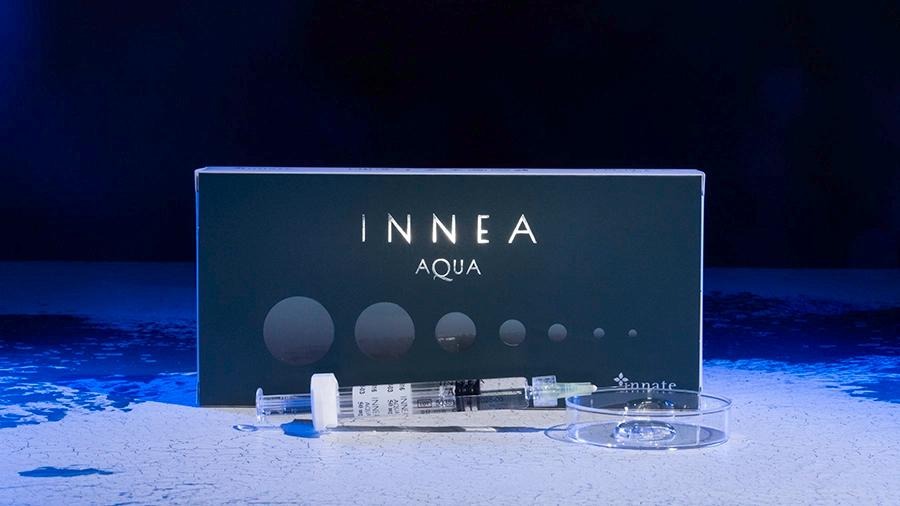
About this website: INNEA Aqua is an HA-based injectable for skin quality. HA means hyaluronic acid, a material that holds water. Glo Pharma operates innea.com.sg and is its sole distributor in Singapore. We explain treatment choices so you can follow a doctor's assessment of what suits your skin.

If you like your face's shape but want smoother-looking skin
You may be happy with your cheeks' fullness but wish the skin looked less dry, dull or rough. Perhaps fine lines or a particular scar bothers you. These are skin-quality questions, even though the changes you hope for can differ.
A skin booster is usually discussed for how the skin looks and feels. An HA-based treatment such as INNEA Aqua uses a water-holding material; PN treatments use purified DNA chains with a repair-related aim. Our ingredient and brand comparison explains those differences in one place.
INNEA Aqua is registered with HSA in Singapore for skin-quality changes and superficial-scar repair. Its registered uses include ageing and photoageing changes such as roughness, reduced radiance and wrinkles, plus dermal repair after superficial trauma, including acne and chickenpox scars. Its listed injection areas are the face, décolleté—the upper chest—and hands.
If several changes bother you, ask the doctor which is the main target and how they will judge improvement. For a scar, that means identifying its shape and depth; for roughness or fine lines, it means agreeing what a worthwhile change would look like. Our evidence guide explains the research for INNEA Aqua and similar HA treatments.
Skin-quality injections may involve several visits, with temporary bumps, redness or bruises. Your doctor can explain the improvement they expect and how long the early marks might show. For a pronounced hollow, a plan aimed at skin texture may leave the loss of fullness unaddressed.
If a particular cheek or area looks hollow
Perhaps your skin feels comfortable, but the shape of your face has changed. A cheek looks less full and that is what makes you look tired. You may want to understand how much change would help while still looking like yourself.
A doctor may discuss a dermal filler to add shape or volume to a particular area. Many use HA in a gel designed for that job. Ask how much fullness the doctor would add and what that would change from the front and side. This helps you judge whether the proposed change still feels like you.
You may notice a change in shape soon after treatment, although swelling and bruising can affect the early look and take days to settle. Your doctor will explain both the intended result and the risks. The US FDA's filler guidance describes a rare but serious risk if filler blocks a blood vessel.
If skin is loose or sagging across a wider area
You might notice looser skin across the cheeks, or a jawline that has started to droop. Tell your doctor what you see and what you would like to change. They can explain which part comes from the skin itself and whether a different procedure would better address it.
You may hear bioremodelling or biorevitalisation in this discussion. Clinics use these labels for approaches intended to improve skin quality across an area. Different HA formulations can appear in that conversation, and some skin boosters are also described using these terms.
Ask the doctor to separate skin quality, lost fullness and lifting sagging tissue. A smoother surface can be welcome even when lifting is your main concern, but you should know which change you are paying for. The American Society of Plastic Surgeons' facelift guide explains how surgery can address sagging skin and jowls.
A collagen-stimulating treatment may be discussed for support over time. These products use different materials, and some also add volume. The ingredient and product table lists the Singapore-registered examples. If choosing one, ask when to assess the gradual result and what can be done if you dislike it. The enzyme used to dissolve HA does not remove the other materials.
You may still have injection marks, swelling or bruises with a plan aimed at wider skin quality or support. More than one visit may be suggested. Your doctor can explain the likely change and commitment for the particular product and area.
How do the treatment goals compare?
What you want to change | An approach a doctor may discuss | What matters for your decision |
|---|---|---|
Dryness, dullness, rough texture or fine lines | A skin-quality injectable, often called a skin booster | The exact outcome and formula, supporting studies, visible recovery and possible repeat visits |
A particular scar | A scar-specific assessment; an injectable or another procedure may form part of the plan | Scar type and depth, where an injectable fits among scar-specific treatments and how improvement will be assessed |
A hollow or loss of facial fullness | A filler or another treatment aimed at support and volume | How much change you want, where the material would be placed, swelling and medical risk |
Loose skin or sagging across an area | A skin-quality or support treatment, sometimes described as bioremodelling or collagen stimulation | Whether the goal is smoother skin, more volume or lifting; time to assess the result and options if you dislike it |
You may recognise yourself in more than one row. That is a reason to discuss the changes together. A combined plan may address several goals, but each part should have a clear purpose. Our safety and downtime guide explains recovery, possible side effects and when to get help.
What makes the discussion useful in Singapore?
Ask the doctor to show you the area they would treat and describe the change you should expect there. For an injectable, they should name the full product and explain its registered uses in Singapore. The HSA advises against DIY aesthetic injectables and says these treatments should be given by qualified medical practitioners.
You do not need to diagnose the change or arrive with a product in mind. Being able to describe what bothers you and what you hope will improve is a useful starting point. The doctor can assess whether care, an injectable, another procedure or waiting makes sense. Our consultation questions help you discuss that choice in your own time.
Sources and references
Regulatory recordINNEA Aqua
ReferenceGeneral information
ReferenceGeneral information
ReferenceGeneral information